Why Googlers Are Going Coastal
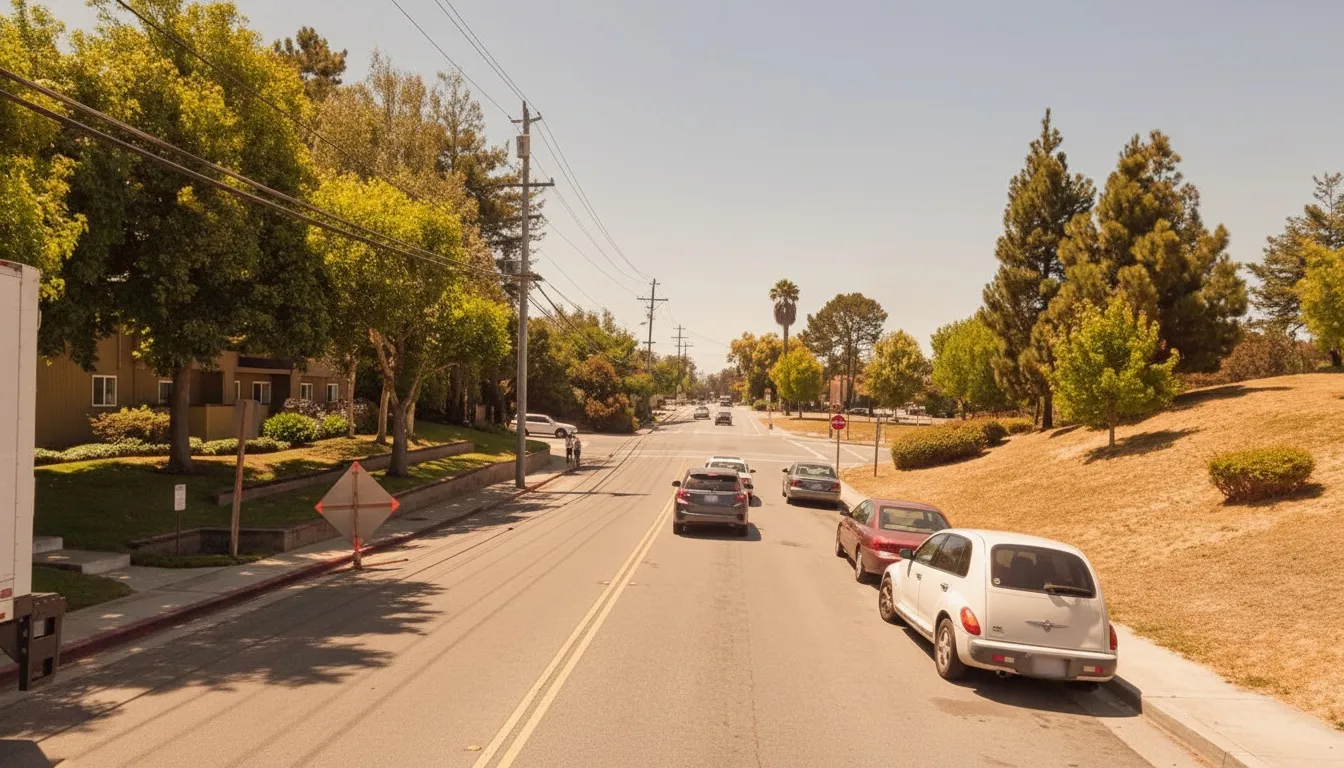
Mountain View is the epicenter of Silicon Valley tech, but that status comes at a cost. The median home price hovers around $2.1 million, and what you get for that money is often a modest ranch on a small lot, wedged between other modest ranches. The restaurants are good. The weather is fine. But the soul of the place can feel like one long strip mall punctuated by office parks.
Santa Cruz is 35 miles and a mountain range away, and it might as well be a different world. Redwood forests, surfable waves, a farmers market where you actually know the farmers. People move here and wonder why they waited so long.
What changed the math for many Google employees is the shift to hybrid work. With three days per week in the office as the standard policy, the Highway 17 commute drops from a daily grind to a manageable routine. And the Googleplex in Mountain View is one of the closer Silicon Valley campuses to Santa Cruz, sitting just off Highway 85 where it meets US-101. From Scotts Valley, that drive is about 40 minutes without traffic. Even from downtown Santa Cruz, you’re looking at 50 minutes off-peak.
The tradeoff is real: you gain a coastal lifestyle, more house for your money, and a community that extends beyond your employer. What you give up is the ability to roll into the office in 10 minutes. For three days a week, most people find that exchange more than worthwhile.
Housing: The Price Comparison
In Mountain View, $2.1 million buys a 1,400-square-foot ranch built in the 1960s on a 5,000-square-foot lot. Maybe it has been updated, maybe not. You will compete with multiple offers, many of them all-cash from other tech workers in the same position.
That same budget stretches dramatically in Santa Cruz County. Here is what each neighborhood offers at its median price point:
Scotts Valley, A three- or four-bedroom home on a generous lot surrounded by redwoods. Many properties sit on a quarter acre or more. The neighborhood is quiet, the air smells like the forest, and the schools are the best in the county.
Westside Santa Cruz, The premium coastal neighborhood. You get proximity to Natural Bridges State Beach, West Cliff Drive sunsets, and well-rated elementary schools. Homes range from updated mid-century to newer construction. This is where families who want beach access and school quality tend to land.
Downtown Santa Cruz, The most walkable option in the county. Victorian-era homes mixed with newer builds, all within walking distance of Pacific Avenue shops, restaurants, and the Wednesday farmers market. A condo here starts well under a million.
Capitola, A village with genuine character. The colorful buildings along the Esplanade, the walkable downtown, the beach steps from your door. Capitola delivers a lifestyle that Mountain View cannot replicate at any price.
Soquel, The value play. Larger lots, a rural feel, proximity to local wineries, and median prices that sit below most other neighborhoods in the county. Popular with buyers who want space and do not need to be right on the water.
If your Mountain View budget is $2.1 million, you could buy on the Westside with $650,000 left over. That difference covers renovations, college savings, or simply the peace of mind that comes from not being house-poor.
Best Neighborhoods for Google Commuters
Every neighborhood below connects to the Googleplex via Highway 17 to Highway 85. Commute times reflect real driving conditions, not optimistic estimates.
Scotts Valley, 40 minutes to the Googleplex off-peak, 52 minutes during rush hour. 28 miles via Highway 17 to Highway 85. Median price $1.35M. Schools top-rated at both the elementary and high school level. This is the default choice for Google commuters who prioritize short drive times and top-rated schools. The tradeoff is that you are in the mountains, not at the beach, though the coast is a 15-minute drive.
Westside Santa Cruz, 48 minutes off-peak, 62 minutes peak. 34 miles. Median price $1.45M. Strong school ratings. The pick for families who want ocean proximity without sacrificing school quality. West Cliff Drive is one of the most scenic stretches of coastline in California, and you can walk or bike it daily.
Downtown Santa Cruz, 50 minutes off-peak, 65 minutes peak. 35 miles. Median price $1.15M. Solid school ratings. The right choice if you value walkability and urban energy. Pacific Avenue puts restaurants, coffee, and nightlife within walking distance. The tradeoff is smaller lots and slightly longer commute times.
Soquel, 52 minutes off-peak, 68 minutes peak. 36 miles. Median price $1.25M. Strong school ratings. Soquel works for buyers who want acreage, quiet, and proximity to wine country. The historic village has a handful of excellent restaurants and shops. Capitola Beach is a 10-minute drive.
Capitola, 54 minutes off-peak, 70 minutes peak. 38 miles. Median price $1.35M. Solid school ratings. The longest commute on this list but arguably the most charming destination to come home to. The walkable village, the beach, and the annual festivals create a sense of place that justifies the extra minutes on the road.
Making the Highway 17 Commute Work
Highway 17 is a winding, four-lane mountain highway through the Santa Cruz Mountains. It is the only practical route between Santa Cruz and Silicon Valley, and it has a rhythm that regulars learn quickly.
Timing matters. Leave before 7:00 AM or after 9:30 AM and you will avoid the worst of the morning congestion. The afternoon return is heaviest between 4:30 and 6:30 PM. On a three-day hybrid schedule, that means six crossings per week at most, and many commuters shift their hours to miss peak traffic entirely.
Weather awareness. Rain makes Highway 17 slower and demands more attention. The curves through the summit are well-maintained but require respect in wet conditions. Most regulars add 10-15 minutes to their estimates on rainy days and drive accordingly.
Transit alternatives exist. The Highway 17 Express bus runs from the Santa Cruz Metro Center to San Jose Diridon Station, where you can connect to Caltrain or VTA light rail. It is not a direct shot to the Googleplex, but it works for some schedules. Google does not currently run shuttle buses to Santa Cruz, though the transit connection through San Jose Diridon is functional for those who prefer not to drive.
The culture of the commute. Santa Cruz-to-Mountain View commuters tend to develop a podcast and audiobook habit. Many describe the drive over the mountain as a decompression zone, a buffer between work mode and home life. The scenery through the redwoods does not hurt.
Practical tip: Keep your gas tank above half in winter. Cell service is spotty through the summit, and while delays from accidents or weather are uncommon, they do happen. Waze and Google Maps both route well through the corridor and will alert you to incidents before you leave.
The Santa Cruz Lifestyle Upgrade
The reason people make this move is not just the money. It is what daily life actually feels like.
In Mountain View, your morning routine probably involves driving past office buildings to reach a gym or coffee shop in a commercial center. In Santa Cruz, morning might mean surfing at Pleasure Point before your first standup, running along West Cliff Drive with the ocean on one side, or walking to a locally owned coffee roaster where the barista knows your order.
The natural environment is not a weekend activity here. It is the backdrop of daily life. On work-from-home days, a lunch break can be a 30-minute hike through Henry Cowell Redwoods State Park or a quick walk to the beach. The Santa Cruz Mountains, the Monterey Bay, and the redwood forests are not destinations you plan trips to. They are where you live.
The community feels different too. Mountain View skews heavily toward tech workers, and conversations tend to orbit around funding rounds, product launches, and RSU vesting schedules. Santa Cruz has tech workers, but it also has artists, surfers, farmers, professors, and small business owners. Your neighbors will not all work at the same five companies. That diversity of perspective is something many transplants cite as the biggest unexpected benefit of the move.
The food scene leans local and seasonal. The Santa Cruz farmers market is one of the best in California, running year-round on Wednesdays downtown. Restaurants source from nearby farms and the fishing harbor. The taco trucks are excellent. You will not find as many Michelin-starred options as in the South Bay, but you will eat well and spend less doing it.
For families, the shift is even more pronounced. Kids grow up with the beach as their backyard, redwood forests as their playground, and a pace of life that allows for unstructured outdoor time. Youth sports, surf camps, and community events create a childhood that looks very different from one spent in a suburban Silicon Valley subdivision.
The honest assessment: you will miss the convenience of having every chain restaurant and big-box store within five minutes. Santa Cruz is a small city, and the selection of some goods and services reflects that. Target is here. Costco is in nearby Marina. But if you are looking for a specific type of imported ingredient or a same-day appliance repair, you may need to plan ahead or drive over the hill.
What you gain in exchange is a life that feels less like a grind and more like a choice. That is why the commute works for so many people. The drive home does not feel like an obligation when home is a place you genuinely want to be.